Advanced Robotic Inspection for FPSOs

Geo Oceans delivers advanced robotic inspection solutions engineered for the complex operational and integrity requirements of Floating Production, Storage and Offloading facilities.

Rather than relying on one inspection platform, we combine asset-deployed ROVs, magnetic and tracked crawlers, drones, advanced non-destructive testing, remote operations and digital inspection software to build a solution around each asset, structure and inspection objective.

Working collaboratively with Sonomatic and AUAV, Geo Oceans brings together subsea robotics, specialised NDT, aerial robotics, data analysis and integrity expertise. This combined capability allows inspection scopes to be planned across internal tanks, external hull structures, sea chests, risers, mooring systems and surrounding subsea infrastructure.

Download the FPSO Advanced Robotic Inspection Capability Statement

A multi-platform approach to FPSO inspection

Every FPSO presents different access constraints, tank arrangements, structural geometries, coating conditions and class requirements. For this reason, the most effective solution is not always a single ROV or inspection tool. Geo Oceans assesses the inspection objective and selects the combination of robotic platform, sensor payload, access method

and data output best suited to the scope. Available sensor payloads include modular and multiplexer ultrasonic testing, cathodic protection measurement, flooded member detection, photogrammetry, high-definition video, crack detection and chain gauging.

This approach can include:
  • Asset-deployed ROVs

  • Robotic in-service cargo oil tank inspection

  • Magnetic and tracked crawlers

  • Tethered and untethered drones

  • Advanced NDT payloads

  • Remote inspection support

  • 3D models and digital inspection records

  • Class-aligned reporting and integrity data integration

Asset-deployed ROVs

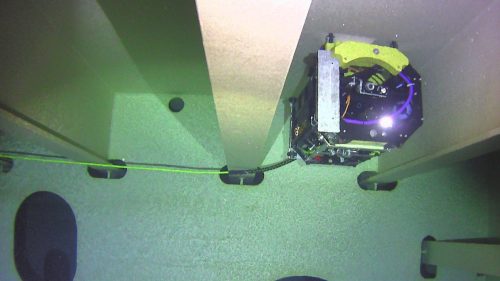
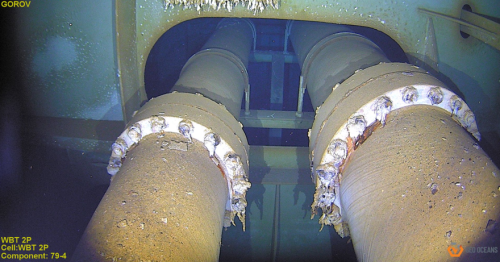
Compact ROV systems can be launched directly from an FPSO or mobilised using a vessel of opportunity. Depending on the scope, they can support inspection of the hull, sea chests, mooring systems, risers, surrounding subsea infrastructure and flooded internal spaces such as water ballast tanks.

i-COT robotic tank inspection

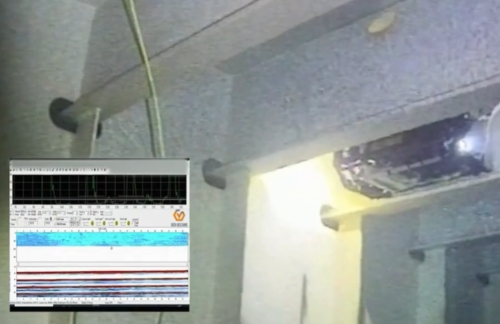
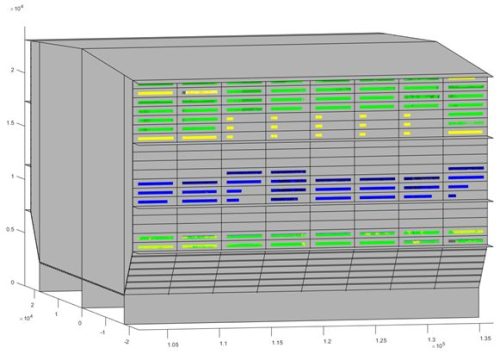
The i-COT platform supports non-intrusive inspection of cargo oil tanks by collecting wall-thickness and corrosion data from an adjacent water ballast tank. The system can carry inspection payloads including multiplexer ultrasonic thickness measurement probes and provide information from areas that may be difficult to access through conventional internal inspection.

Magnetic and tracked crawlers

Magnetic and tracked crawler systems provide a stable platform for detailed inspection and advanced NDT on steel surfaces. Applications include external hull inspection and targeted weld or crack assessment within tanks.

Drone inspection

Drones can support visual inspection and wall-thickness data collection in cargo tanks, voids and other difficult-to-access spaces. Delivered with AUAV, drone inspection can form part of a coordinated campaign alongside ROV and crawler systems rather than operating as a standalone service.

One inspection strategy, complementary specialist expertise

An FPSO inspection problem may require underwater access, surface preparation, visual positioning, accurate NDT, structural interpretation and a usable digital record. Bringing these capabilities together allows the platform and sensor to be selected around the inspection objective, rather than attempting to adapt every scope to one technology.

Geo Oceans
Sonomatic
AUAV

FPSO inspection applications

Cargo oil tanks

Robotic and non-intrusive inspection methods can be used to assess shared boundaries between cargo oil tanks and adjacent water ballast tanks. The i-COT platform maps wall thickness from the water ballast tank side, supporting the identification of areas that may require further investigation.

Water ballast tanks

ROVs can capture visual and inspection data within flooded water ballast tanks. These spaces can also provide access to common boundaries with cargo oil tanks, supporting a broader understanding of tank condition without beginning with entry into the cargo oil tank.

Hulls and external structures

Asset-deployed ROVs and crawlers can support hull and external structure inspection, including UWILD-related scopes, while reducing dependence on diver intervention and dedicated support vessels where the selected methodology is suitable.

Sea chests, risers and mooring systems

Robotic platforms can be configured around inspection requirements for sea chests, risers, mooring chains, mooring systems and surrounding subsea infrastructure. Relevant payloads may include HD video, cathodic protection, chain gauging, ultrasonic testing and other specialist sensors.

Targeted NDT and anomaly investigation

ROVs can assist with cleaning and deployment, while crawlers provide a stable platform for targeted NDT. A documented offshore application used a Falcon ROV for surface preparation followed by a Stingray magnetic crawler fitted with bespoke NDT equipment.

Moving beyond traditional confined space inspection

Cargo oil tanks, ballast tanks, cofferdams and void spaces require periodic inspection for class and regulatory purposes. Conventional approaches can involve isolation, cleaning, ventilation, working at height, standby resources and personnel entering constrained

environments. The objective of robotic inspection is to identify where technology can remove entry altogether and where it can reduce the duration or scope of entry by improving the information available beforehand.

Robotic methods can help:
  • Remove personnel from selected high-risk inspection activities

  • Reduce the initial need for internal tank access

  • Direct any remaining human inspection towards identified areas

  • Minimise operational disruption

  • Collect dense and repeatable digital inspection data

  • Support remote technical review

  • Reduce offshore personnel requirements

  • Build a reusable condition record for future campaigns

Engineered around the asset and inspection objective

Geo Oceans follows a structured development and qualification approach before using a new robotic method for a live class scope.

  1. Scope definition: The inspection objectives, required coverage and acceptance criteria are developed with the client, asset team and relevant Classification Society.
  2. Platform and payload selection: Access, geometry, operating environment and data requirements are reviewed to select the appropriate robotic platform and sensor package.
  3. Trial and qualification: Controlled trials are used to assess data quality, repeatability and operational reliability.
  4. Side-by-side validation: Where required, robotic results can be compared with conventional inspection results to demonstrate the performance of the methodology.
  5. Live deployment and continuous review: Inspection data can be reviewed onshore, incorporated into structured reporting and used to improve subsequent campaigns.

Class-aligned inspection and reporting

Robotic inspection often creates a different type of information from conventional visual inspection. The resulting data may be denser, digital, geo-referenced and captured from a different viewpoint. Geo Oceans can support the translation of this information into an inspection record by:

  • Mapping robotic data to class scope requirements

  • Defining coverage, resolution, datum and traceability

  • Building inspection plans aligned with Classification Society requirements

  • Producing structured reports and survey deliverables

  • Supporting remote attendance through live data feeds

  • Incorporating results into the ongoing asset integrity record

  • Enabling results to be compared across future inspection campaigns

Remote inspection support

Remote Operations Centres allow inspectors, technical specialists, clients and class representatives to support inspection activities without every participant being located offshore. Depending on the agreed campaign model, live data feeds can support:

  • Remote class attendance

  • Real-time inspection review

  • Client oversight

  • Quality assurance

  • Technical decision-making

  • Faster communication between offshore and onshore teams

From inspection data to an integrity record

Robotic inspection can produce substantial volumes of visual, measurement and positional data. The value lies not only in capturing it, but in making it accessible, traceable and useful for future integrity decisions.

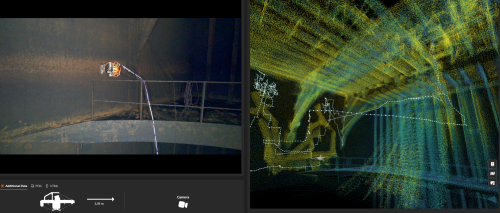
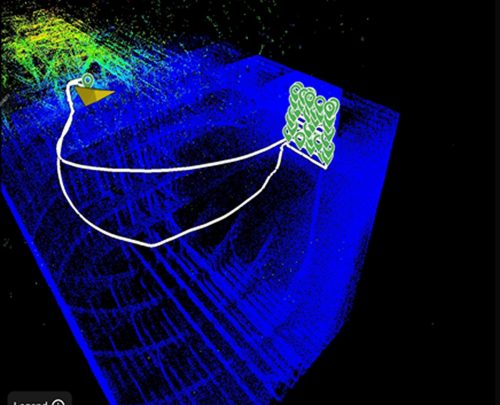
i-COT post-assessment can combine wall-thickness data collected from the surrounding water ballast tank with visual information captured within the tank, with the results processed using non-intrusive inspection sampling principles.

The group’s digital ecosystem can support:
  • Inspection data capture and review

  • Wall-thickness measurements and corrosion maps

  • 3D photogrammetry models

  • Structured digital reports

  • Raw data linked to inspection findings

  • Historical data comparison

  • Repeat inspection trending

  • Integration with client integrity systems

FPSO inspection and design consultancy

Robotic inspection can also be considered during the design or modification of an FPSO. For existing assets, a robotic readiness assessment could identify where access modifications or campaign planning changes may expand the future use of remote inspection. Geo Oceans can review:

  • General arrangement drawings

  • Tank layouts

  • Structural detailing

  • Robotic access routes

  • Hatch dimensions

  • Obstructions

  • Lighting and cleaning provisions

  • Tether management

  • Compatibility with proposed robotic platforms

  • Alignment with anticipated class requirements

Why Geo Oceans?

Not every FPSO, tank or inspection scope requires the same technology. Geo Oceans works with operators, asset teams and Classification Societies to determine the appropriate combination of robotic platforms, inspection sensors, validation methods and data outputs.

  • Multi-platform approach covering ROVs, crawlers and drones

  • Collaboration with specialised NDT and drone inspection teams

  • Asset-deployed inspection options

  • Internal tank and external hull capability

  • Advanced sensor and NDT payload integration

  • Remote operations and onshore technical support

  • Class-aligned methodology development

  • Digital reporting, modelling and integrity data

  • Inspection strategy and robotic readiness consultancy

Project Examples

Explore project examples below, and read about our class sign off for the world’s first entirely robotic FPSO Cargo Oil Tank Special Survey, here.

Explore Our FPSO Inspection Capabilities

Geo Oceans combines ROVs, drones, magnetic crawlers, advanced NDT and digital inspection technologies to deliver safer, more efficient FPSO inspections. Explore our specialist solutions below and discover how we can help reduce risk, improve data quality and support asset integrity across the entire FPSO lifecycle.

Get in touch with us today