
Reducing Confined Space Entry on FPSOs

Confined space entry remains one of the highest-risk activities undertaken on FPSOs. Cargo oil tanks, water ballast tanks, cofferdams and void spaces require periodic inspection to meet class and regulatory requirements, often exposing personnel to atmospheric hazards, working at height, restricted access and complex emergency response conditions. 

Geo Oceans works with Sonomatic and AUAV to help FPSO operators reduce or eliminate the need for personnel to enter hazardous spaces through the application of advanced robotic inspection technologies.

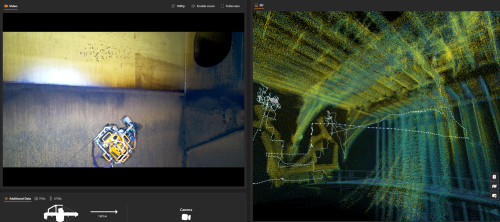
By combining remotely operated vehicles (ROVs), magnetic crawlers, drones, advanced non-destructive testing and remote data review, we can collect critical inspection data while reducing personnel exposure to risk.

A Different Approach to Tank Inspection

Traditional inspection programmes often require cleaning, ventilating, and preparing tanks before personnel can safely enter. Our methodology focuses on obtaining condition data remotely wherever practical before deciding whether a manned inspection is required. Rather than replacing every conventional inspection activity, robotic technologies help determine where entry can be avoided entirely and where entry scope can be reduced.

This allows operators to:
  • Reduce confined space exposure

  • Improve inspection planning

  • Focus resources on identified areas of concern

  • Improve safety outcomes

  • Minimise operational disruption

Technologies That Reduce Personnel Exposure

i-COT Cargo Oil Tank Inspection: The i-COT system enables wall thickness and corrosion information to be collected from water ballast tanks, allowing the condition of adjacent cargo oil tanks to be assessed without initial entry into the cargo tank itself. 

Drone Inspection: Drone technology can provide visual inspection data from tanks, void spaces and difficult-to-access structures, reducing the need for scaffolding, rope access and elevated work activities. 

Magnetic Crawler Inspection: Magnetic crawler systems equipped with advanced NDT sensors can perform targeted crack and weld inspections without requiring personnel to access difficult areas directly. 

Asset-Deployed ROVs: ROVs can be deployed directly from FPSOs to inspect external structures, sea chests, risers, mooring systems and flooded spaces without diver intervention.

Supporting Safer Integrity Management

Reducing confined space entry is about more than technology.

By combining robotic inspections with digital reporting, engineering assessment and risk-based inspection methodologies, operators gain better visibility of asset condition before making inspection and maintenance decisions.

Get in touch with us today